How Weather Affects Your Roof: Tips for Homeowners
Your roof is your home’s first line of defense against the elements. From scorching sun to torrential rain, it endures a constant barrage of weather conditions. Understanding how different weather patterns impact your roof is crucial for maintaining its integrity and preventing costly repairs. Here’s a breakdown of common weather threats and practical tips for homeowners:
1. Sun Exposure: The Silent Degrader
Impact:
- UV Degradation: Prolonged exposure to the sun’s ultraviolet (UV) rays can break down the chemical bonds in roofing materials, causing them to become brittle and lose their protective qualities. This is especially true for asphalt shingles.
- Expansion and Contraction: The constant heating and cooling cycle caused by daily temperature fluctuations leads to expansion and contraction of roofing materials. Over time, this can cause cracking, warping, and loosening of fasteners.
- Fading and Discoloration: The sun can fade the color of your roof, making it look older and less appealing.
Tips for Homeowners:
- Choose Reflective Roofing Materials: Consider lighter-colored roofing materials that reflect sunlight and reduce heat absorption.
- Ensure Proper Ventilation: Adequate attic ventilation helps regulate temperature and reduce the impact of heat on the roof.
- Regular Inspections: Schedule regular roof inspections to identify and address any signs of sun damage early on.
2. Rain and Moisture: The Erosion Factor
Impact:
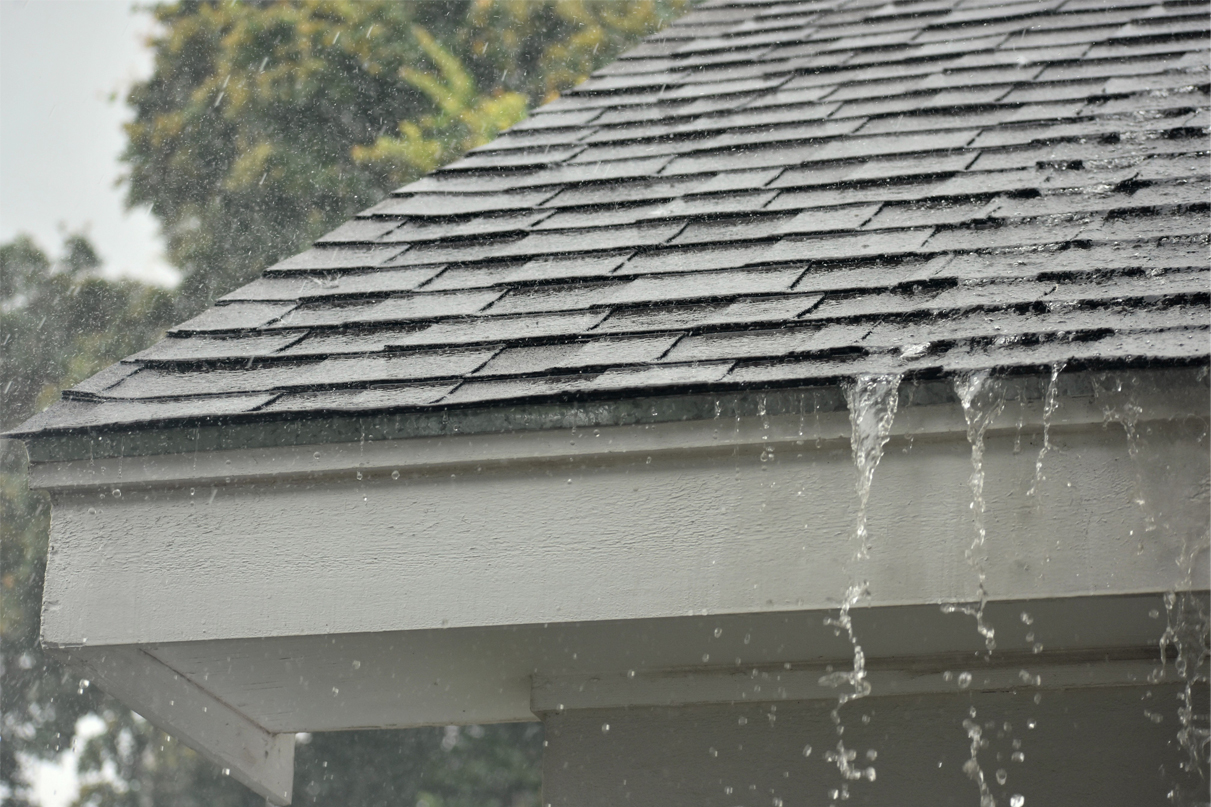
- Water Damage: Rainwater can seep through cracks, gaps, or damaged shingles, leading to leaks, mold growth, and structural damage to your home.
- Erosion: Heavy rainfall can erode the protective granules on asphalt shingles, exposing the underlying material to further damage.
- Ice Dams: In colder climates, melting snow can refreeze at the edge of the roof, forming ice dams that trap water and force it under the shingles.
Tips for Homeowners:
- Maintain Gutters and Downspouts: Keep gutters and downspouts clean and free of debris to ensure proper water drainage.
- Seal Cracks and Gaps: Regularly inspect your roof for cracks and gaps and seal them with appropriate roofing sealant.
- Install Ice and Water Shield: In areas prone to ice dams, consider installing an ice and water shield underlayment during roof replacement.
- Trim Overhanging Branches: Cut back any tree branches that overhang your roof to prevent them from dropping debris and causing damage.
3. Wind: The Forceful Threat
Impact:
- Shingle Damage: High winds can lift, tear, or blow off shingles, leaving your roof vulnerable to water damage.
- Debris Impact: Wind can carry debris such as tree branches, leaves, and other objects that can damage your roof upon impact.
- Structural Damage: In extreme cases, strong winds can cause significant structural damage to your roof.
Tips for Homeowners:
- Choose Wind-Resistant Roofing Materials: Opt for roofing materials that are specifically designed to withstand high winds.
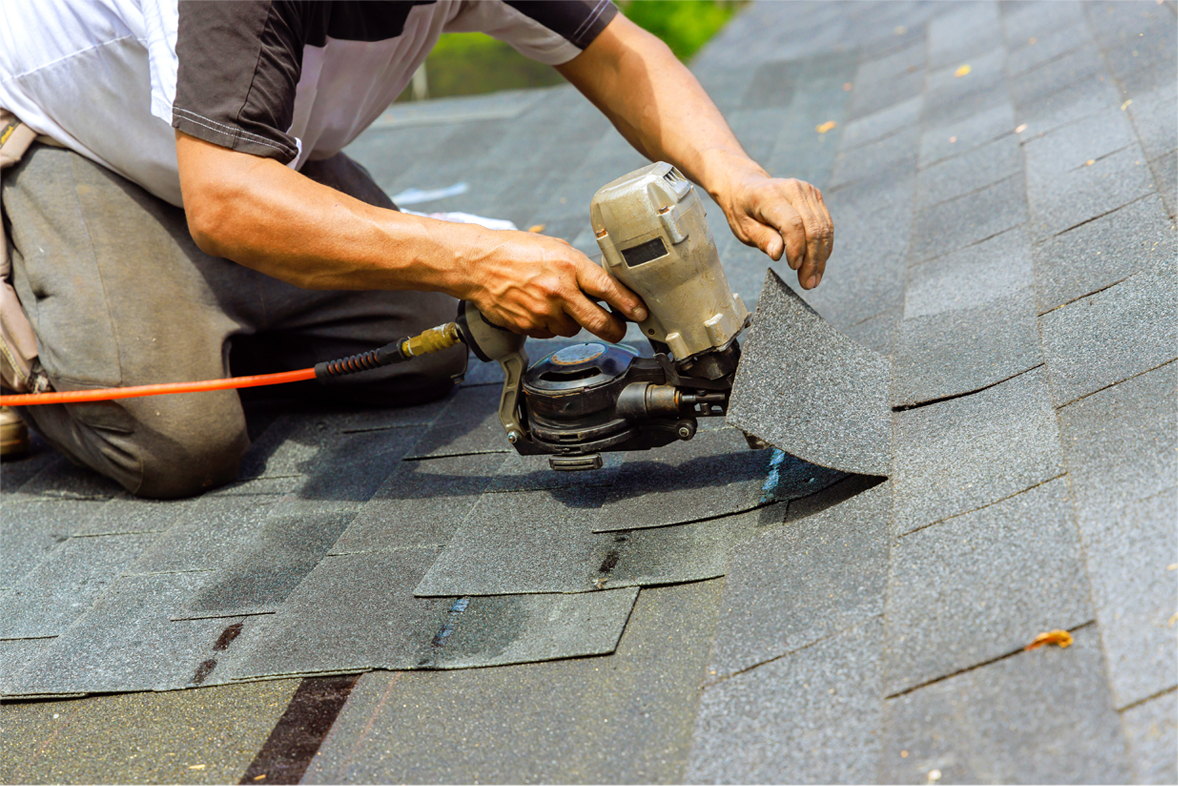
- Proper Installation: Ensure that your roof is installed correctly and that all shingles are securely fastened.
- Regular Inspections After Storms: After a major windstorm, inspect your roof for any signs of damage and address them promptly.
- Secure Loose Items: Secure any loose items in your yard that could be blown onto your roof during a storm.
4. Snow and Ice: The Weighty Problem
Impact:
- Weight Load: Heavy snow accumulation can put a significant strain on your roof’s structure, potentially leading to collapse.
- Ice Dams: As mentioned earlier, ice dams can cause water to back up under the shingles and leak into your home.
- Freeze-Thaw Cycle: The constant freezing and thawing of water can cause roofing materials to expand and contract, leading to cracks and damage.
Tips for Homeowners:
- Remove Heavy Snow: If you experience heavy snowfall, consider removing some of the snow from your roof to reduce the weight load. Use a roof rake to avoid damaging the shingles.
- Improve Attic Insulation: Proper attic insulation helps prevent heat from escaping and melting snow on the roof, reducing the risk of ice dam formation.
- Install Heat Cables: Consider installing heat cables along the edge of your roof to prevent ice dams from forming.
5. Hail: The Impactful Hazard
Impact:
- Shingle Damage: Hail can cause dents, cracks, and granule loss on asphalt shingles, reducing their lifespan and effectiveness.
- Roof Leaks: Severe hail damage can create holes in the shingles, leading to leaks and water damage.
Tips for Homeowners:
- Choose Hail-Resistant Roofing Materials: Consider impact-resistant roofing materials that are designed to withstand hail damage.
- Regular Inspections After Hailstorms: After a hailstorm, inspect your roof for any signs of damage and file an insurance claim if necessary.
General Tips for All Weather Conditions:
- Regular Roof Inspections: Schedule professional roof inspections at least twice a year, preferably in the spring and fall, to identify and address any potential problems early on.
- Prompt Repairs: Address any roof repairs promptly to prevent further damage and extend the lifespan of your roof.
- Proper Ventilation: Ensure that your attic is properly ventilated to regulate temperature and prevent moisture buildup.
- Professional Installation: Hire a qualified and experienced roofing contractor for all roof installations and repairs.
By understanding how weather affects your roof and taking proactive steps to protect it, you can ensure its longevity and prevent costly repairs. Remember that regular maintenance and prompt attention to any issues are key to keeping your roof in top condition and protecting your home from the elements.