Understanding Roof Warranties: What Homeowners Need to Know
A new roof is a significant investment, and understanding the warranty that comes with it is crucial for protecting that investment. Roof warranties can be complex, with varying levels of coverage and specific terms and conditions. This guide will help homeowners navigate the intricacies of roof warranties and make informed decisions.
Types of Roof Warranties
There are generally two main types of roof warranties:
- Manufacturer’s Warranty: This warranty covers defects in the roofing materials themselves. It’s offered by the manufacturer of the shingles, tiles, or other roofing components.
- Workmanship Warranty (or Contractor’s Warranty): This warranty covers errors or defects in the installation of the roof. It’s offered by the roofing contractor who installed the roof.
It’s important to understand the difference between these two, as they cover different aspects of your roof.
Manufacturer’s Warranty: Delving Deeper
Manufacturer’s warranties typically cover:
- Material Defects: This is the core of the warranty, covering issues like premature cracking, curling, or granule loss in shingles.
- Specific Time Period: The warranty will specify a duration of coverage, which can range from a few years to a lifetime (often prorated).
- Prorated vs. Non-Prorated Coverage:
- Prorated: The coverage decreases over time. For example, in the early years, the manufacturer might cover 100% of the material cost, but after a certain period, they might only cover 50% or less.
- Non-Prorated (or Full Coverage): The manufacturer covers the full cost of replacement materials for a specified period, regardless of the roof’s age. This is generally a more desirable option.
Important Considerations for Manufacturer’s Warranties:
- Proper Installation: The warranty is often contingent on the roof being installed according to the manufacturer’s specifications. This is why choosing a certified installer is crucial.
- Ventilation: Adequate roof ventilation is often a requirement for the warranty to be valid. Poor ventilation can lead to premature roof failure.
- Transferability: Some warranties are transferable to a new homeowner if the property is sold, while others are not.
- Exclusions: Be aware of what the warranty doesn’t cover. Common exclusions include damage from natural disasters (wind, hail, earthquakes), improper maintenance, and alterations to the roof.
Workmanship Warranty: Protecting Your Installation
A workmanship warranty covers defects in the installation process. This is crucial because even the best roofing materials can fail if they are not installed correctly.
What a Workmanship Warranty Covers:
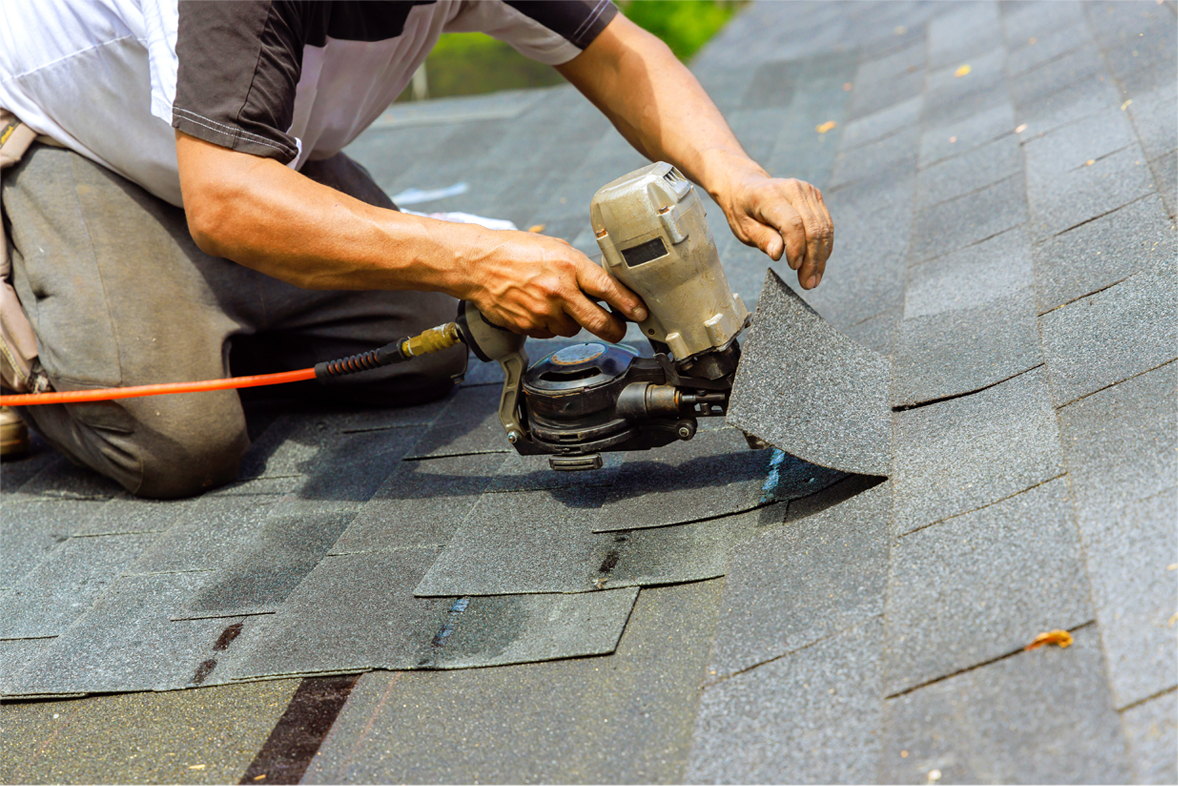
- Installation Errors: This includes issues like improper flashing, incorrect shingle overlap, or poorly sealed penetrations.
- Leaks: If leaks occur due to faulty installation, the contractor is responsible for repairing them.
- Specific Time Period: Workmanship warranties typically last for 1-5 years, but some contractors offer longer coverage.
Important Considerations for Workmanship Warranties:
- Contractor’s Reputation: Choose a reputable and experienced roofing contractor with a solid track record. Check online reviews and ask for references.
- Written Contract: Ensure the warranty terms are clearly outlined in a written contract.
- Contractor’s Financial Stability: A longer warranty is only valuable if the contractor is still in business to honor it.
Understanding Warranty Terms and Conditions
Carefully read and understand the fine print of both the manufacturer’s and contractor’s warranties. Pay attention to:
- Definitions: Understand the meaning of key terms used in the warranty document.
- Coverage Details: Know exactly what is covered and what is excluded.
- Claim Procedures: Understand the steps you need to take to file a claim.
- Maintenance Requirements: Some warranties require regular roof inspections and maintenance to remain valid.
- Limitations: Be aware of any limitations on the warranty coverage.
Choosing the Right Warranty
When selecting a roofing system, consider the warranty options available.
- Compare Warranties: Don’t just focus on the price of the roof. Compare the warranty coverage offered by different manufacturers and contractors.
- Ask Questions: Don’t hesitate to ask the roofing contractor to explain the warranty in detail.
- Consider Extended Warranties: Some manufacturers offer extended warranties that provide additional coverage for a longer period. These may come at an extra cost, but they can provide peace of mind.
Maintaining Your Roof to Protect Your Warranty
Proper roof maintenance is essential for maximizing the lifespan of your roof and protecting your warranty.
- Regular Inspections: Inspect your roof regularly for signs of damage, such as missing shingles, cracks, or leaks.
- Clean Gutters: Keep your gutters clean to prevent water from backing up onto the roof.
- Trim Trees: Trim any trees that overhang your roof to prevent branches from falling and causing damage.
- Address Problems Promptly: If you notice any problems with your roof, address them promptly to prevent further damage.
Conclusion
Understanding roof warranties is crucial for protecting your investment in a new roof. By carefully reviewing the terms and conditions of both the manufacturer’s and contractor’s warranties, choosing a reputable contractor, and maintaining your roof properly, you can ensure that your roof is protected for years to come. Remember to keep all warranty documents and installation records in a safe place.