How to Choose the Right Roofing Material for Your Home
Choosing the right roofing material for your home is a significant decision that impacts its curb appeal, protection from the elements, and overall value. With so many options available, it can feel overwhelming. This guide will walk you through the key factors to consider to help you make an informed choice.
Factors to Consider When Choosing Roofing Material
Before diving into specific materials, let’s outline the crucial factors that will influence your decision:
- Budget: Roofing materials vary significantly in price. Establish a realistic budget early on to narrow down your options. Remember to factor in installation costs, which can sometimes exceed the material cost itself.
- Climate: Your local climate plays a major role. Consider factors like:
- Rainfall: Some materials are more water-resistant than others.
- Snowfall: Heavy snow loads require durable and properly installed roofing.
- Sun Exposure: Intense sun can degrade certain materials over time.
- Wind: High winds can damage or dislodge some roofing types.
- Temperature Fluctuations: Extreme temperature swings can cause expansion and contraction, potentially leading to cracks or leaks.
- Roof Style and Pitch: The slope of your roof (its pitch) will limit your material choices. Some materials are better suited for steeper slopes, while others are designed for low-sloped or flat roofs.
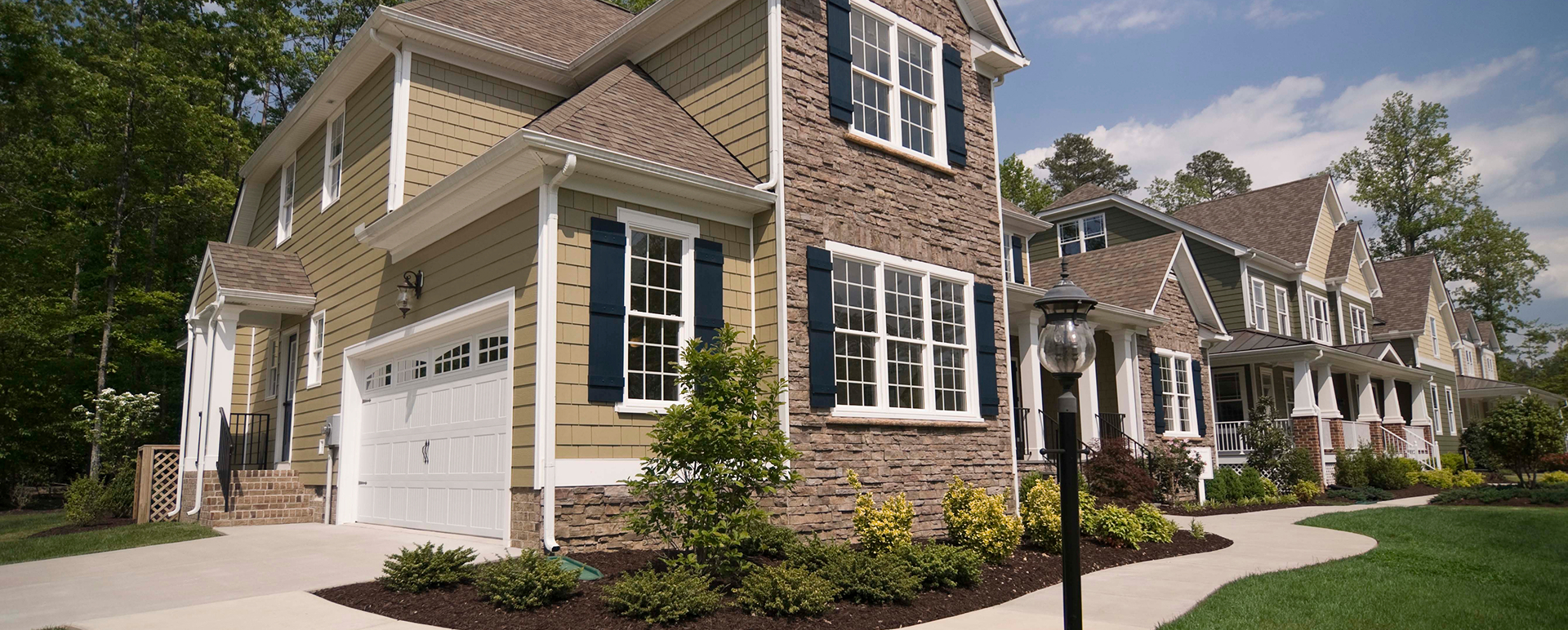
- Home Style: Consider the architectural style of your home. The roofing material should complement its overall aesthetic.
- Durability and Lifespan: Different materials have different lifespans. Consider how long you plan to stay in your home and choose a material that will last accordingly.
- Weight: Some roofing materials are heavier than others. Ensure your roof structure can support the weight of your chosen material. You may need to consult with a structural engineer.
- Energy Efficiency: Some roofing materials are more energy-efficient than others, helping to reduce your heating and cooling costs. Consider materials with reflective properties or those that can be combined with insulation.
- Maintenance: Different materials require different levels of maintenance. Consider how much time and effort you’re willing to invest in maintaining your roof.
- Local Building Codes and HOA Regulations: Check with your local building department and homeowners association (HOA) for any restrictions or requirements regarding roofing materials.
- Resale Value: A new roof can significantly increase your home’s resale value. Choose a material that is both durable and aesthetically pleasing to potential buyers.
Common Roofing Materials and Their Pros & Cons
Here’s a breakdown of some popular roofing materials, along with their advantages and disadvantages:
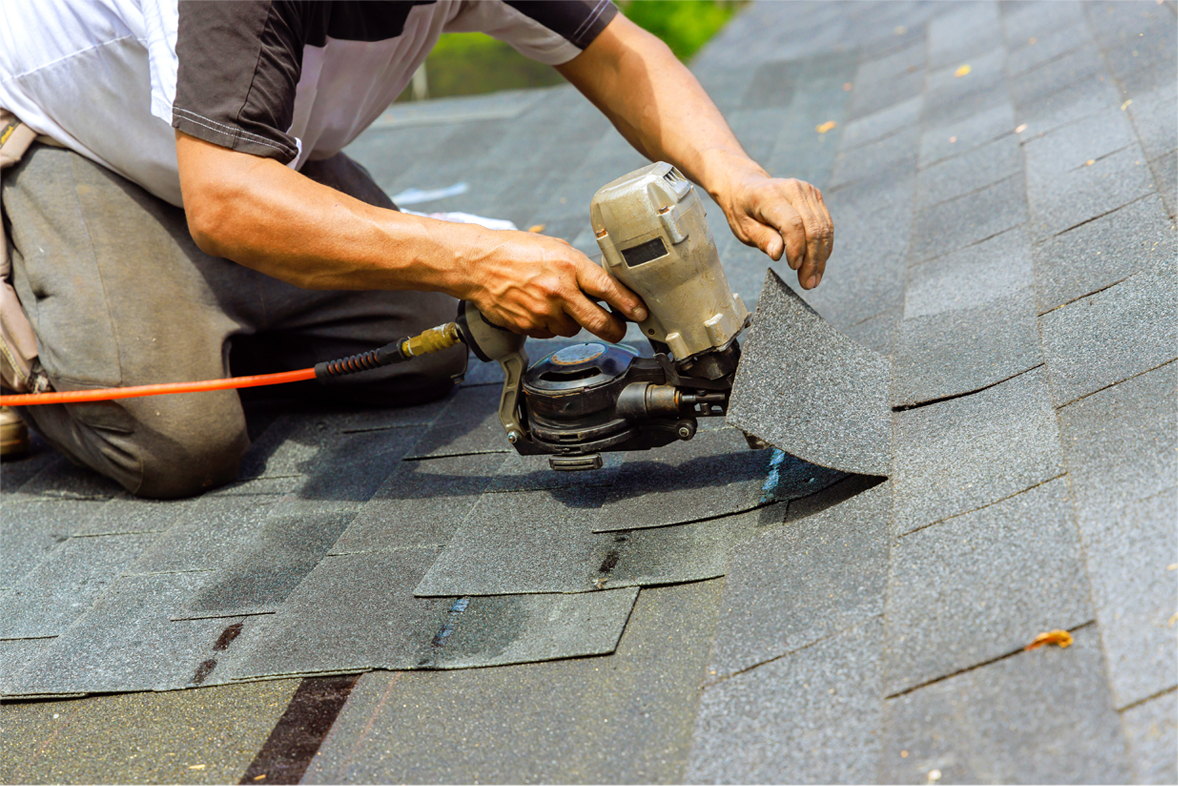
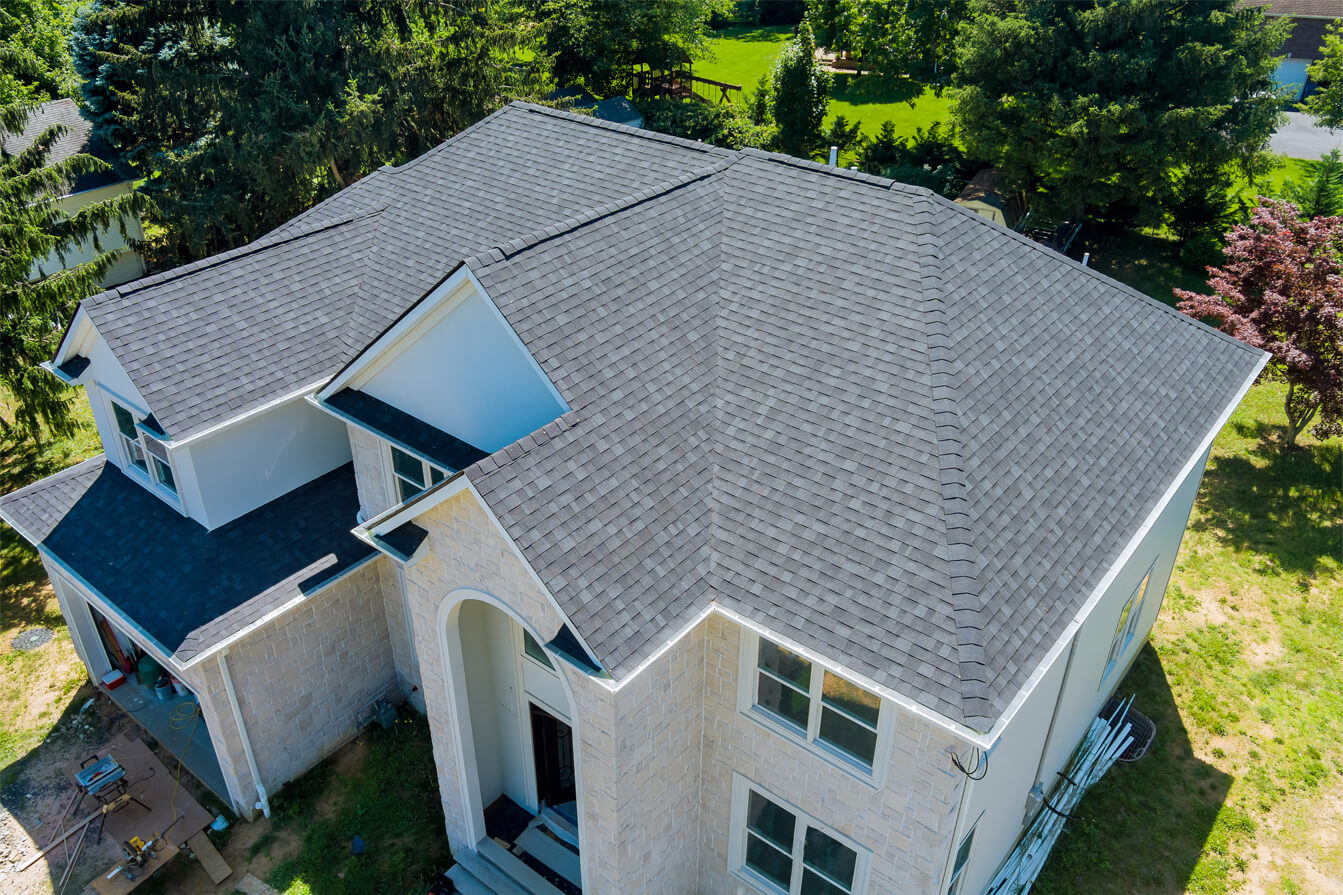
1. Asphalt Shingles
- Description: The most common roofing material in North America. Made from a fiberglass or organic mat saturated with asphalt and coated with mineral granules.
- Pros:
- Affordable
- Easy to install
- Available in a wide variety of colors and styles
- Relatively lightweight
- Cons:
- Shorter lifespan compared to other materials (15-30 years)
- Less durable than other materials
- Can be susceptible to wind damage
- Not as environmentally friendly as some other options
2. Metal Roofing
- Description: Available in various types, including steel, aluminum, copper, and zinc. Can be installed as panels or shingles.
- Pros:
- Long lifespan (40-70 years or more)
- Durable and resistant to fire, wind, and impact
- Energy-efficient (reflective properties can reduce cooling costs)
- Environmentally friendly (recyclable)
- Cons:
- More expensive than asphalt shingles
- Can be noisy during rain or hail
- Can dent or scratch
- Installation requires specialized skills
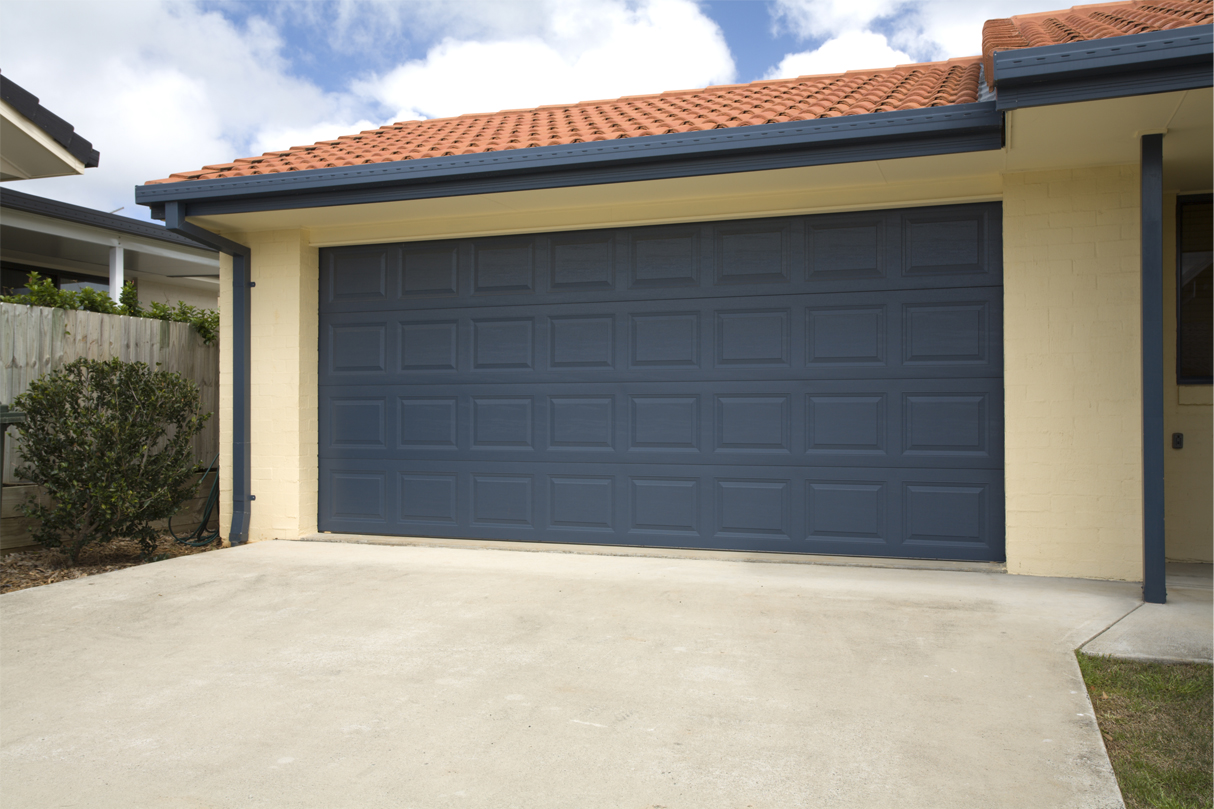
3. Tile Roofing
- Description: Made from clay or concrete. Available in various shapes, sizes, and colors.
- Pros:
- Extremely durable and long-lasting (50-100 years or more)
- Fire-resistant
- Aesthetically appealing, adding a distinctive look to your home
- Cons:
- Expensive
- Heavy, requiring a strong roof structure
- Can be brittle and prone to cracking in cold climates
- Installation requires specialized skills
4. Wood Shingles and Shakes
- Description: Made from natural wood, typically cedar or redwood. Shingles are sawn, while shakes are hand-split.
- Pros:
- Attractive and natural appearance
- Relatively durable (30-50 years)
- Environmentally friendly (renewable resource)
- Cons:
- More expensive than asphalt shingles
- Susceptible to fire, rot, and insect damage (requires treatment)
- Requires regular maintenance
- May not be allowed in some areas due to fire codes
5. Slate Roofing
- Description: A natural stone roofing material.
- Pros:
- Extremely durable and long-lasting (100+ years)
- Fire-resistant
- Beautiful and adds significant value to your home
- Cons:
- Very expensive
- Extremely heavy, requiring a strong roof structure
- Installation requires highly skilled professionals
- Difficult to repair
6. Synthetic Roofing
- Description: Made from recycled plastic or rubber. Designed to mimic the look of other roofing materials, such as slate or wood.
- Pros:
- Durable and long-lasting (30-50 years)
- Lightweight
- Environmentally friendly (made from recycled materials)
- Resistant to fire, wind, and impact
- Cons:
- Can be more expensive than asphalt shingles
- May not look as authentic as natural materials
Making Your Decision
- Assess Your Needs: Carefully consider the factors outlined above, such as budget, climate, roof style, and home style.
- Research Your Options: Explore the different roofing materials available and compare their pros and cons.
- Get Quotes from Multiple Contractors: Obtain quotes from several reputable roofing contractors in your area. Be sure to ask about their experience with the materials you’re considering.
- Check References and Reviews: Verify the contractor’s credentials and read online reviews to get a sense of their reputation.
- Review the Warranty: Understand the warranty offered by the manufacturer and the contractor.
- Make an Informed Decision: Choose the roofing material that best meets your needs and budget, and hire a qualified contractor to install it properly.
Choosing the right roofing material is a significant investment. By carefully considering your needs and researching your options, you can ensure that your new roof will protect your home for years to come. Remember to consult with qualified professionals to get expert advice and ensure proper installation.