How to Spot Roof Damage After a Storm
As a homeowner, safeguarding your property against the elements is paramount. Following a severe storm, a thorough roof inspection is essential to identify potential damage. Prompt detection and resolution of roof issues can prevent further complications, including leaks, structural compromise, and costly repairs. This comprehensive guide provides homeowners with the knowledge and steps necessary to effectively assess their roof for storm-related damage, ensuring the long-term safety and integrity of their home.
Understanding Common Types of Roof Damage
After a storm, being aware of the common types of roof damage is crucial for effective inspection. Familiarize yourself with these potential issues:
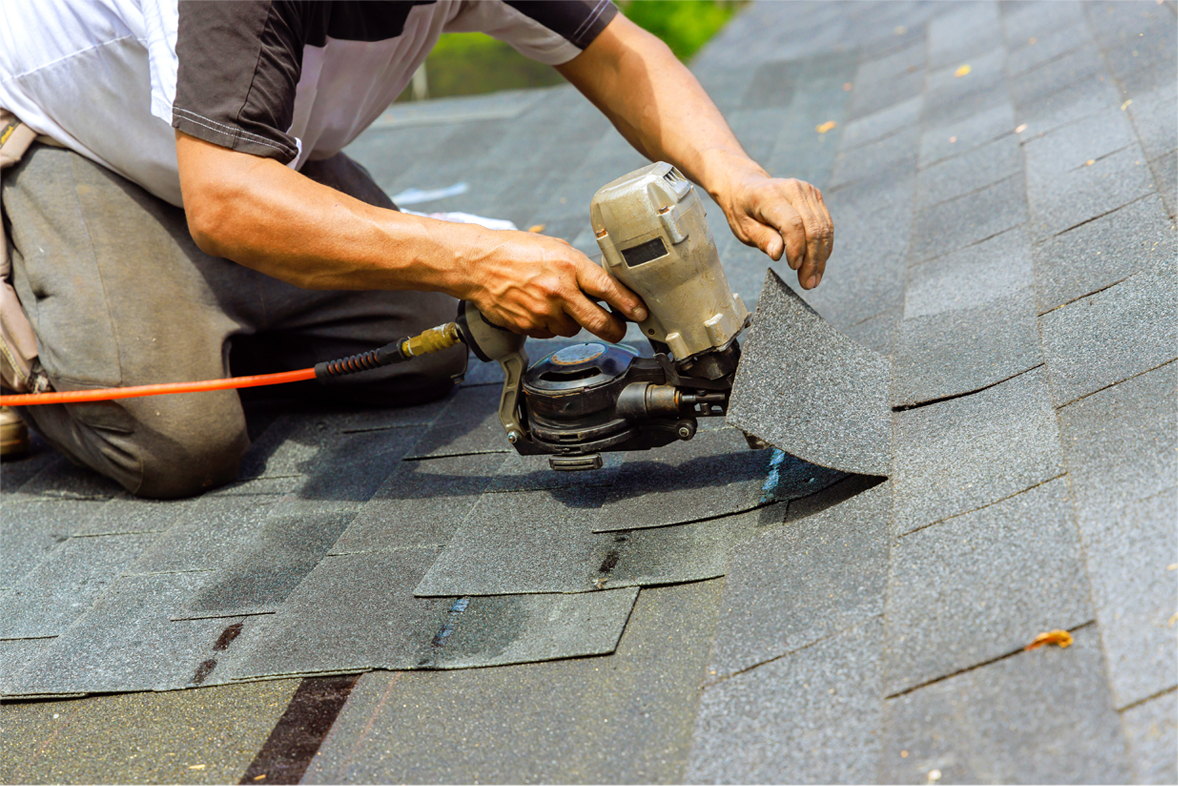
- Missing, Cracked, or Curled Shingles: These are often the most visible indicators of roof damage. Missing shingles expose the vulnerable underlayment to the elements, while cracked or curled shingles compromise the roof’s protective barrier.
- Granule Loss: Examine gutters and downspouts for an excessive accumulation of shingle granules. Significant granule loss indicates that shingles are deteriorating, reducing their ability to protect the underlying roof structure from UV rays and weather.
- Dented or Damaged Gutters and Downspouts: Inspect gutters and downspouts for dents, cracks, loose connections, or sagging. Storms can deposit debris, leading to damage and potential water damage to the foundation. Proper drainage is crucial.
- Flashing Damage: Carefully check the flashing around chimneys, vents, skylights, and roof valleys for any signs of looseness, bending, cracking, or corrosion. Damaged flashing can allow water to penetrate vulnerable areas, leading to leaks and potential structural damage.
- Sagging Roofline: From the ground, visually inspect the roofline for any areas that appear to be sagging or dipping. This is a serious sign of potential structural damage and requires immediate attention from a qualified professional.
Conducting a Safe and Effective Roof Inspection
Safety is the top priority when inspecting your roof. Follow these guidelines to minimize risk:
- Prioritize Ground-Level Inspection: Conduct a thorough initial inspection from the ground using binoculars. This allows for a preliminary assessment without the need to climb onto the roof.
- When to Avoid Climbing: Never climb onto the roof if it is wet, icy, or windy. Wait for clear, dry conditions. If you are uncomfortable with heights, have limited mobility, or are unsure about any aspect of the inspection, do not attempt to climb onto the roof.
- If Climbing is Necessary (Proceed with Extreme Caution):
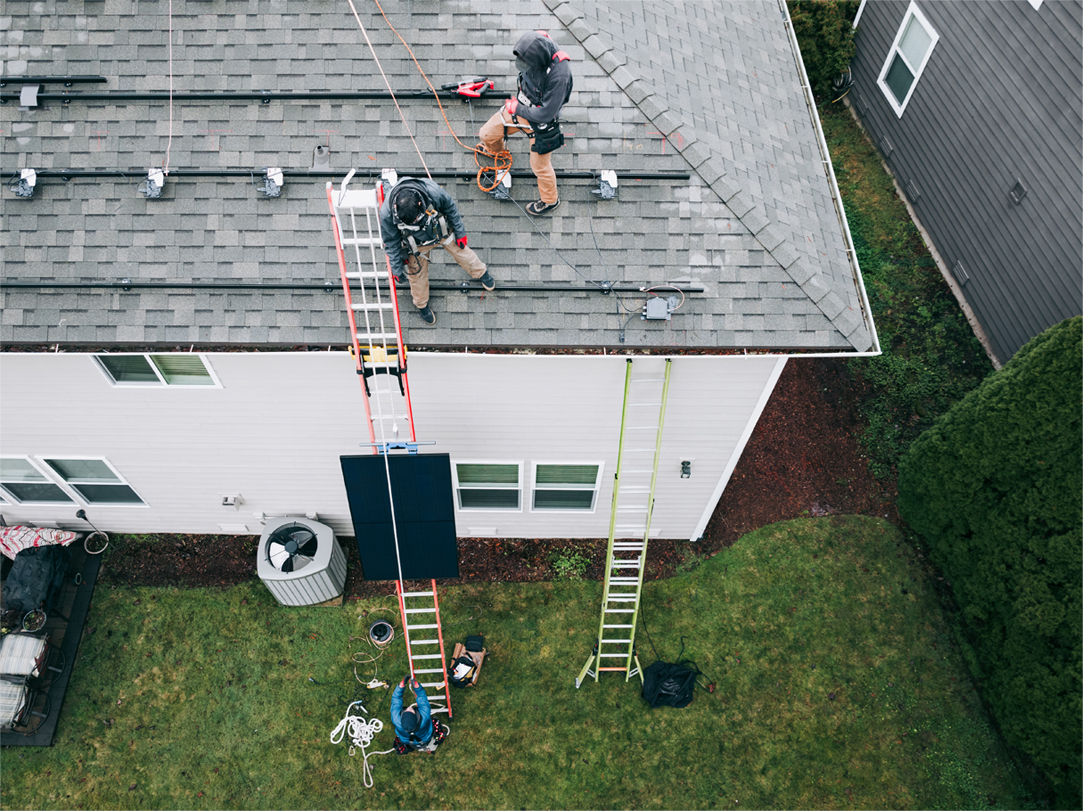
- Use a Sturdy Ladder: Ensure the ladder is properly positioned on a level surface and is securely anchored. Have a second person spot you.
- Wear Appropriate Footwear: Wear shoes with good traction to prevent slipping.
- Be Aware of Your Surroundings: Watch out for power lines, overhanging branches, and other potential hazards.
- Professional Inspection: The safest and most reliable approach is to hire a qualified roofing contractor to conduct a professional inspection. They possess the necessary expertise, experience, and equipment to safely and accurately assess the condition of your roof.
Interior Inspection: Identifying Hidden Damage
Don’t neglect the interior of your home when assessing potential roof damage. Look for these telltale signs:
- Water Stains: Check ceilings, walls, and around windows for water stains or discoloration.
- Active Leaks: Listen for dripping sounds, especially in the attic or around ceilings.
- Mold or Mildew: Inspect for mold or mildew growth, which indicates moisture intrusion.
- Peeling Paint or Wallpaper: Water damage can cause paint to peel or wallpaper to bubble and detach.
- Attic Inspection: Examine the attic for water stains, dampness, or visible signs of leaks.
Documenting and Reporting Roof Damage
If you discover any evidence of roof damage, follow these steps:
- Detailed Documentation:
- Photographic Evidence: Take clear, well-lit photos and videos of all visible damage, both exterior and interior. Capture the overall context and close-up details.
- Written Notes: Keep detailed notes of your observations, including the date, time, location, and description of the damage.
- Promptly Contact Your Insurance Company: Report the damage to your insurance company as soon as possible. Provide them with your documentation and be prepared to answer their questions.
- Obtain Multiple Estimates from Qualified Contractors: Get written estimates from at least three reputable and licensed roofing contractors for the cost of repairs. This will help you understand the scope of the work and ensure you receive a fair price.
Preventing Future Roof Damage: Proactive Measures
While you cannot control the weather, you can take steps to minimize the risk of future roof damage:
- Regular Roof Inspections: Schedule professional roof inspections at least once a year, preferably in the spring and fall.
- Tree Trimming: Trim overhanging tree branches to prevent them from falling on your roof during storms.
- Gutter Maintenance: Clean gutters and downspouts regularly to ensure proper drainage. Clogged gutters can cause water to back up onto the roof, leading to leaks and damage.
- Proper Ventilation: Ensure your attic is properly ventilated to prevent moisture buildup, which can damage roofing materials.
- Address Minor Repairs Promptly: Don’t delay addressing minor roof repairs, such as replacing a few missing shingles. Small problems can quickly escalate into larger, more costly issues.
Choosing a Qualified Roofing Contractor
Selecting the right roofing contractor is crucial for ensuring quality repairs and a long-lasting roof. Consider the following:
- Licensing and Insurance: Verify that the contractor is properly licensed and insured.
- Experience and Reputation: Choose a contractor with a proven track record of quality workmanship and customer satisfaction. Check online reviews and ask for references.
- Written Contract: Obtain a detailed written contract that outlines the scope of work, materials to be used, payment terms, and warranty information.
- Beware of “Storm Chasers”: Be cautious of contractors who solicit business aggressively immediately after a storm. These individuals may not be reputable or qualified.
Conclusion
Identifying roof damage after a storm is a critical responsibility for homeowners. By understanding the common types of damage, conducting safe and thorough inspections, documenting findings, and taking proactive preventative measures, you can protect your home and prevent costly repairs. Remember to prioritize safety and consult with qualified professionals for inspections, repairs, and maintenance. A well-maintained roof is a vital component of a safe and secure home.