How to Extend the Lifespan of Your Garage Door
As a homeowner, you understand the importance of protecting your investment, and that extends to every part of your property. Often overlooked, your garage door is a vital component that contributes significantly to your home’s security, convenience, curb appeal, and overall value. Think of it as a hardworking mechanical system that deserves regular care and attention. By proactively maintaining your garage door, you can significantly extend its lifespan, prevent costly repairs, and ensure it operates smoothly and safely for years to come. This comprehensive guide provides valuable tips and insights on how to keep your garage door in top condition.
1. Regular Maintenance and Inspection: Your First Line of Defense
One of the most effective ways to extend the lifespan of your garage door is through consistent maintenance and thorough inspections. By proactively identifying and addressing potential issues early on, you can prevent them from escalating into major, expensive problems.
- Frequency: Aim for at least twice a year, ideally in the spring and fall. Consider adding it to your seasonal home maintenance checklist.
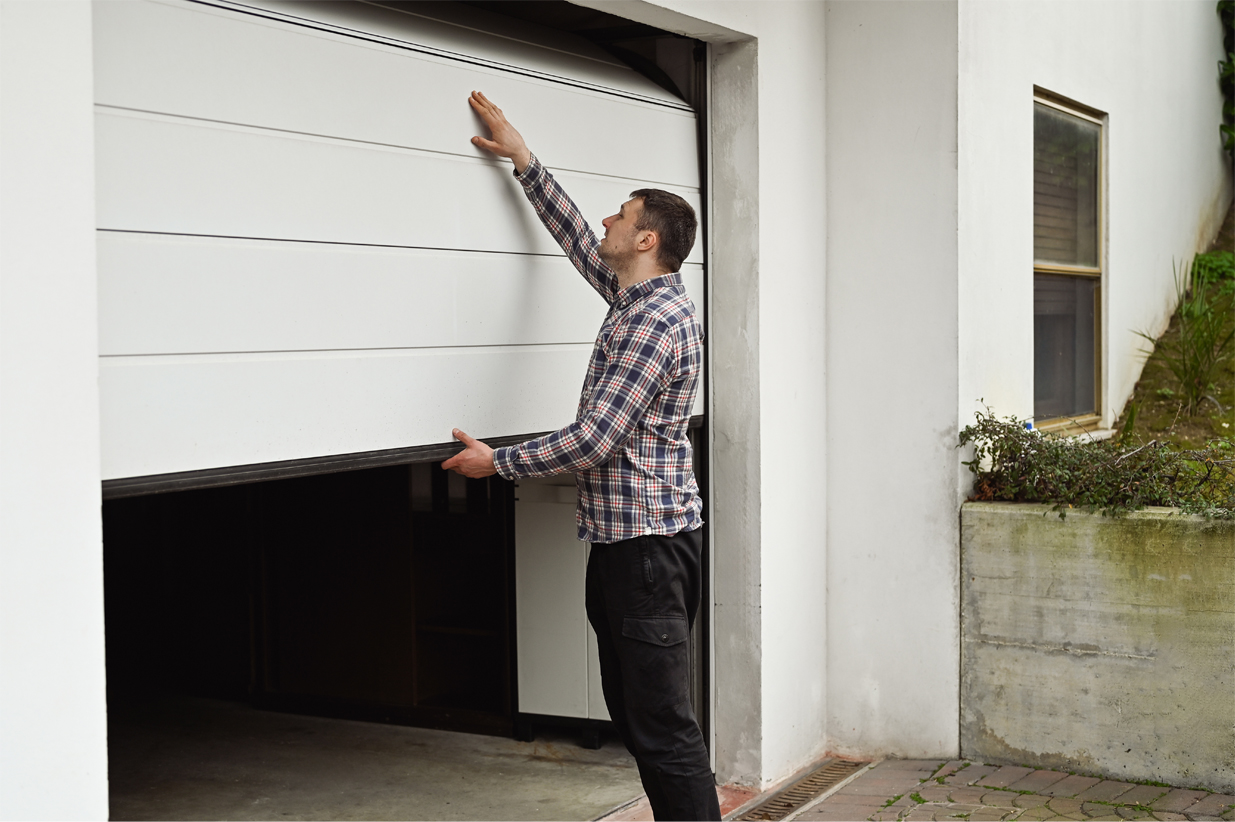
- Visual Inspection: The Detective Work:
- Rust: Carefully examine all metal components – door panels, tracks, springs, hinges, and hardware – for any signs of rust. Address rust spots immediately with a wire brush and rust-inhibiting paint to prevent further corrosion.
- Dents and Damage: Inspect the door panels for dents, cracks, or other physical damage. Small dents can sometimes be gently hammered out or filled, but significant damage may require panel replacement.
- Loose Hardware: Check all hinges, brackets, rollers, and fasteners for looseness. Tighten any loose screws or bolts. If screws are stripped, consider using slightly longer screws or filling the holes with wood glue and toothpicks before re-inserting the screws.
- Worn Cables: Pay close attention to the cables for fraying, kinking, or any signs of wear. Damaged cables are a serious safety hazard and should only be replaced by a qualified professional.
- Track Alignment: Ensure the tracks are properly aligned and free from obstructions. Misaligned tracks can cause the door to bind or operate unevenly. Use a level to check alignment and carefully remove any debris.
- Weather Stripping: Inspect the weather stripping around the door frame for cracks, tears, or gaps. Damaged weather stripping allows drafts, moisture, and pests to enter your garage, potentially causing further damage. Replace as needed.
- Lubrication: Keeping Things Moving Smoothly:
- What to Lubricate: Lubricate all moving parts of your garage door, including hinges, rollers, tracks, springs, and the lock mechanism.
- What to Use: Use a high-quality garage door lubricant specifically designed for this purpose. Silicone-based lubricants are generally recommended. For the lock mechanism, use a graphite lubricant. Avoid using household lubricants like WD-40, as they can attract dirt and debris, causing further damage in the long run.
- Why Lubricate: Lubrication reduces friction, allowing the door to operate smoothly and quietly. It also prevents premature wear and tear on moving parts, extending their lifespan.
- Tightening Hardware: Regularly check and tighten any loose bolts, screws, or nuts on your garage door. Vibration and frequent use can cause these components to loosen over time, leading to instability and potential malfunctions.
2. Protecting Your Garage Door from Weather Damage: Battling the Elements
Weather conditions can significantly impact the lifespan of your garage door. Extreme temperatures, moisture, and sunlight can all contribute to various types of damage.
- Seal the Perimeter: Ensure that the weather stripping around your garage door is in good condition. Replace any damaged or worn-out weather stripping to prevent drafts, moisture, and pests from entering your garage. This also helps with energy efficiency.
- Protect from Sunlight: Prolonged exposure to sunlight can cause the paint on your garage door to fade, crack, and become brittle. Consider applying a UV-resistant coating or paint specifically designed for exterior use to protect the door from the sun’s harmful rays. Regular waxing can also help.
- Clear Snow and Ice: During winter months, promptly remove any snow or ice accumulation around the base of the garage door. The weight of the snow and ice can put excessive strain on the door and its components, potentially leading to damage or causing the door to freeze shut. Use a snow shovel or ice scraper, being careful not to damage the door or weather stripping.
- Painting or Staining: Regularly paint or stain your garage door to protect it from the elements. This is especially important for wooden doors. Choose a high-quality exterior paint or stain that is designed to withstand the elements.
3. Choosing the Right Materials and Professional Installation: Setting the Stage for Longevity
When selecting a new garage door, choosing the right materials and ensuring professional installation are crucial factors in extending its lifespan.
- Material Selection: Matching the Door to Your Needs: Garage doors are available in various materials, including steel, wood, aluminum, and composite. Each material has its own advantages and disadvantages in terms of durability, maintenance requirements, insulation value, and resistance to weather damage.
- Steel: Durable, low-maintenance, and relatively inexpensive. Can be prone to rust in humid climates if not properly maintained.
- Wood: Offers a classic, beautiful look but requires more maintenance (painting/staining) and is more susceptible to weather damage.
- Aluminum: Lightweight and rust-resistant, but can be more easily dented than steel.
- Composite: Made from recycled materials, offering a good balance of durability, low maintenance, and weather resistance. Choose a material that is best suited for your local climate, budget, and aesthetic preferences.
- Professional Installation: Getting it Right from the Start: Proper installation is essential to ensure that your garage door operates smoothly, safely, and reliably. Hire a qualified and experienced garage door installer to handle the installation process. A professional installer will ensure that the door is properly aligned, balanced, and secured, minimizing the risk of future problems.
4. Addressing Issues Promptly: Nip Problems in the Bud
Even with regular maintenance and preventative measures, garage door problems can still arise. Addressing these issues promptly is crucial to prevent further damage and extend the lifespan of your door.
- Noisy Operation: Listen Closely: If your garage door is making excessive noise, such as squeaking, grinding, or rattling, it could indicate a problem with the rollers, hinges, springs, or opener.
- Troubleshooting: Lubricate the moving parts and tighten any loose hardware. If the noise persists, consult a professional garage door technician.
- Slow or Jerky Movement: Smooth Operation is Key: Slow or jerky movement can be caused by a variety of factors, including a faulty opener, damaged tracks, or unbalanced springs.
- Troubleshooting: Check the opener settings and lubricate the tracks. If the problem persists, contact a professional for assistance. Do not attempt to adjust or repair springs yourself.
- Remote Control Issues: Staying Connected: If your garage door remote control is not working properly, check the batteries and ensure that the opener is properly programmed.
- Troubleshooting: If the problem persists, consult a professional garage door technician.
- Balance Testing: Perform the balance test described in the original document at least once a year. This is crucial for identifying spring issues early.
5. Garage Door Opener Maintenance: Keeping the Motor Running
The garage door opener is the workhorse that automates the opening and closing of your door. Regular maintenance is essential to keep it running smoothly.
- Check the Safety Sensors: Ensure the safety sensors are properly aligned and functioning. Test them monthly by placing an object in the door’s path. The door should reverse automatically.
- Adjust the Force Settings: Check the force settings to ensure the door doesn’t close too forcefully.
- Inspect the Chain or Belt: Inspect the chain or belt for wear and tear. Lubricate as needed, following the manufacturer’s instructions.
- Replace Batteries: Replace the batteries in the remote control and keypad regularly.
6. Professional Maintenance: When to Call in the Experts
While many maintenance tasks can be performed by homeowners, it’s recommended to schedule professional maintenance at least every 1-2 years.
- Benefits:
- Thorough Inspection: A professional technician can identify potential problems that you might miss.
- Expert Repairs: They have the knowledge and tools to perform complex repairs safely and effectively.
- Spring Adjustment/Replacement: They can properly adjust or replace garage door springs, which is a dangerous task for homeowners.
- Peace of Mind: Regular professional maintenance can give you peace of mind knowing that your garage door is in good working order.
Conclusion
Extending the lifespan of your garage door requires a proactive and consistent approach. By following these tips, you can ensure that your garage door remains a reliable, secure, and valuable asset to your home for years to come. Remember to prioritize safety and consult a qualified garage door technician for any complex repairs or maintenance tasks, especially those involving the springs. A well-maintained garage door not only enhances your home’s value but also provides peace of mind knowing that your property is secure and your family is safe.