The Ultimate Guide to Garage Door Openers
A garage door opener is a modern convenience that most homeowners take for granted – until it stops working! This guide will provide you with a comprehensive overview of garage door openers, covering everything from types and features to maintenance and troubleshooting.
Why You Need a Garage Door Opener
Beyond the obvious convenience of not having to manually lift a heavy garage door, a garage door opener offers several benefits:
- Security: Modern openers offer rolling codes that change each time you use them, preventing thieves from using stolen codes to gain access.
- Safety: Safety sensors prevent the door from closing if an obstruction is detected, protecting people and property.
- Convenience: Especially useful in inclement weather, allowing you to enter and exit your garage without leaving your vehicle.
- Home Value: A functional and modern garage door opener can increase the value of your home.
Types of Garage Door Openers
Garage door openers are categorized by the type of drive mechanism they use. Each type has its own advantages and disadvantages:
1. Chain Drive Openers
- Mechanism: Uses a metal chain to pull or push the garage door along a track.
- Pros: Most affordable option, reliable, and readily available.
- Cons: Noisiest type of opener, requires more maintenance (lubrication), and can be less smooth than other options.
- Best For: Homeowners on a budget who prioritize functionality over quiet operation.
2. Belt Drive Openers
- Mechanism: Uses a rubber or reinforced belt to move the garage door.
- Pros: Significantly quieter than chain drive openers, smoother operation, and requires less maintenance.
- Cons: More expensive than chain drive openers.
- Best For: Homes with attached garages where noise is a concern.
3. Screw Drive Openers
- Mechanism: Uses a threaded steel rod to move the garage door.
- Pros: Relatively low maintenance, fewer moving parts than chain or belt drives.
- Cons: Can be noisy, especially in colder climates, and may require more force to operate in extreme temperatures.
- Best For: Areas with moderate climates and homeowners seeking low maintenance.
4. Direct Drive Openers
- Mechanism: The motor is directly connected to the door, eliminating the need for a chain, belt, or screw.
- Pros: Extremely quiet, reliable, and requires minimal maintenance.
- Cons: Most expensive type of opener.
- Best For: Homeowners who prioritize quiet operation and are willing to invest in a premium product.
5. Jackshaft Openers (Wall-Mounted)
- Mechanism: Mounts on the wall beside the garage door and uses a torsion bar to lift the door.
- Pros: Saves ceiling space, quiet operation, and often includes advanced features.
- Cons: More expensive than traditional openers, requires professional installation, and may not be compatible with all garage door types.
- Best For: Garages with limited headroom or those seeking a modern, space-saving solution.
Key Features to Consider
When choosing a garage door opener, consider these features:
- Horsepower (HP): Determines the lifting capacity of the opener. 1/2 HP is sufficient for most standard garage doors, while heavier doors may require 3/4 HP or 1 HP.
- Safety Sensors: Essential for preventing accidents. Ensure the opener has infrared sensors that detect obstructions and stop the door from closing.
- Rolling Code Technology: Enhances security by changing the access code each time the opener is used.
- Battery Backup: Allows the opener to function during power outages.
- Smart Home Integration: Some openers can be connected to your home’s Wi-Fi network, allowing you to control the door remotely via a smartphone app.
- Keypad Entry: Provides a convenient way to open the garage door without a remote.
- Automatic Closing: Automatically closes the door after a set period of time.
- Soft Start/Stop: Reduces noise and wear and tear on the door by gradually increasing and decreasing speed.
Installation
Garage door opener installation can be a DIY project for experienced homeowners, but it’s generally recommended to hire a professional. Professional installation ensures proper setup, safety sensor alignment, and warranty validation.
DIY Installation Considerations:
- Read the instructions carefully: Follow the manufacturer’s instructions step-by-step.
- Gather the necessary tools: You’ll need tools like a drill, socket set, level, and measuring tape.
- Safety first: Disconnect power to the garage before starting the installation.
- Proper alignment: Ensure the track and safety sensors are properly aligned.
Maintenance
Regular maintenance will extend the life of your garage door opener and prevent costly repairs.
- Lubrication: Lubricate the moving parts (chain, rollers, hinges) with a garage door lubricant every 6 months.
- Safety Sensor Check: Test the safety sensors monthly by placing an object in the door’s path. The door should stop and reverse.
- Visual Inspection: Inspect the springs, cables, and rollers for signs of wear and tear.
- Tighten Hardware: Check and tighten any loose bolts or screws.
- Clean the Track: Remove any debris from the track.
Troubleshooting Common Problems
- Door won’t open or close: Check the power supply, safety sensors, and remote batteries.
- Door opens partially and stops: Check for obstructions in the track or misaligned safety sensors.
- Opener is noisy: Lubricate the moving parts or consider replacing a worn chain or belt.
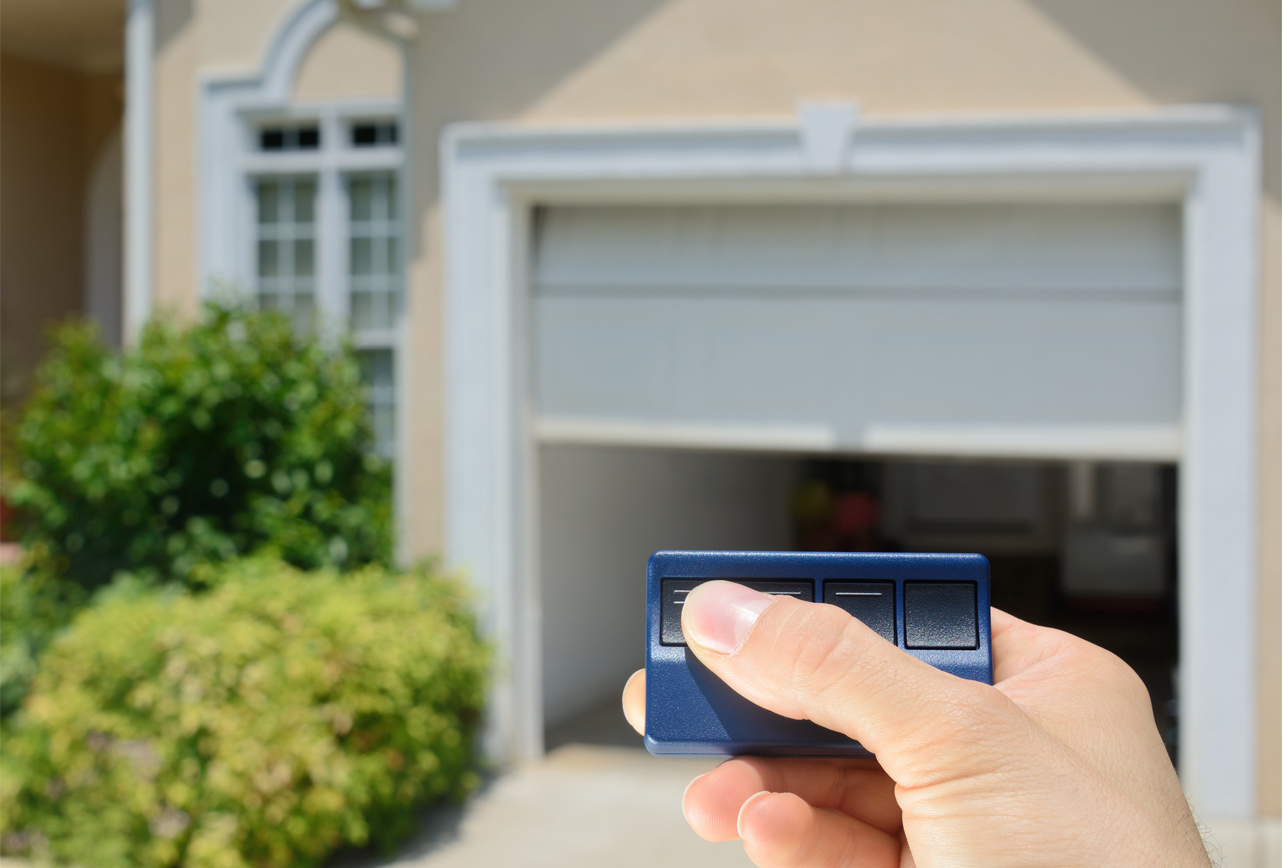
- Remote doesn’t work: Replace the batteries or reprogram the remote.
- Door reverses immediately after closing: Check the safety sensors for proper alignment.
When to Replace Your Garage Door Opener
Consider replacing your garage door opener if:
- It’s more than 10-15 years old.
- It’s frequently malfunctioning.
- It lacks modern safety features.
- Repairs are becoming more frequent and costly.
- You want to upgrade to a quieter or more feature-rich model.
Conclusion
Choosing the right garage door opener involves considering your budget, needs, and preferences. By understanding the different types of openers, key features, and maintenance requirements, you can make an informed decision and enjoy the convenience and security of a reliable garage door opener for years to come. Remember to prioritize safety and consider professional installation for optimal performance and peace of mind.